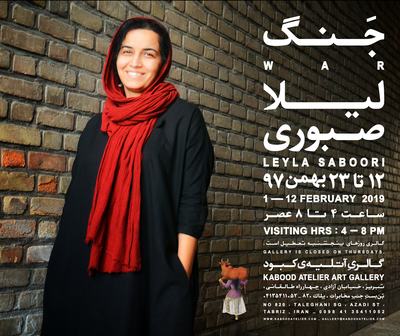
War
"War" is the first chapter of the project, exhibited at Kabood Atelier Art Gallery from February 1 to 12, 2019.
I was born. My uncle named me Leila. He went to war. He did not return. My grandmother waited for him. She waited for him for a long time. The prisoners of war returned, but my uncle did not. In those days, my grandmother did not even come to the street corner to see the returning prisoners of war. Her son was not among the returning prisoners of war. He was not among the dead. He was nowhere. She stayed home. Later, they brought a few pieces of bone and said, “Come, hold him.” At last, her son came home.
This is how my childhood world became filled with waiting, with mothers and sons, with war. For me, war is not the sound of missiles. It is not the sound of explosions. It is the sound of my grandmother’s cries. It is the sound of her sorrows. The sound of waiting at the door. The sound of gazing. The sound of my grandmother’s hair turning white. It is a womb that becomes ill without a child. It is the voice of a mother who slowly dies after seeing her son’s bones.
For me, war is a mother who, when war comes to her home, takes her child in her arms and flees. She looks at her home from a distance, leaves, and becomes displaced. I go to the west of the country. I go to Qasr-e Shirin, where the war entered the country. I wander from one place to another, searching for women who gave birth to their children during the war. Under bombardment. While fleeing. I go to Kermanshah. I go to Gilan-e Gharb, Ilam, Eyvan.. I sit with the women and listen to the stories of those who kept life alive during the war. They brought life into the world. They held life by the hand so it would not be lost, so it would not die. Women who nurture life.
"War" is the story of women who have held a child's hand; who have carried a child on their backs; who have held a child in their arms while carrying another child in their womb. "War" is fragments of a quiet and selfless struggle for life. A struggle to keep the home and the child until the men of the house return.
The mountains and plains of western Iran are filled with children who began their lives during the war; who ended their lives in the mountains and on the plains; and who were born under bombardment. In shelters, in makeshift homes; beneath bridges, in the darkness. "War" is the story of women who had to quietly protect life. It is the story of the struggle to remain. Their story is one of eight years of displacement. Eight years of habit; of life; of their children.
"War" is children who were born with bombs, beneath red and white sirens. In the sound of explosions and shockwaves, they clung to their mothers' arms. They held their mothers' hands and grew up, and they are still sometimes displaced, moving from one city to another—for work, for education, for family. Sometimes they sit alone beside their mothers, or with a child in their arms.
"War" became part of their daily routine. Escape became part of their daily routine. Hardship left them no time to think about "War." Caught up in the routine of daily hardships, they forgot about "War." "War" became a part of them.
They stand before every front line of "War."
Leila Saboori — Autumn 2018
...The project *War* is the story of mothers who gave birth to their children during the war. It is the story of war told through the voices of women. The project was carried out in western Iran, from Qasr-e Shirin to Kermanshah—the route through which Iraq entered Iran.
The project was presented as a painting, 49 videos displayed on five monitors, 30 photographs, text, and music.
- Painting:
In every home I visited in the west, I asked the mothers to give me a piece of cloth that had either remained from the war or reminded them of the war. Sometimes it was a new shirt that their husband had never been able to wear; sometimes it was a piece of clothing from their children’s childhood. As these pieces of cloth were sewn together, a painting emerged on the wall from my feelings about the war, measuring 9 by 2 meters. - Video:
Five televisions show images of mothers and children from the years of the war. They look directly into the camera. They gaze at the viewer. The speed of the videos has been slowed down, making them appear like still photographs. - Photography:
Thirty photographs were taken of mothers from different cities in western Iran. They were printed in color at 10 × 15 cm and placed on display inside simple plastic sleeves, just as mothers used to place photographs of their loved ones in plastic sleeves during the war and keep them with them at all times. - Text:
Under each photograph, I wrote a short sentence from my conversations with the mothers. - Music:
The music played in the space was the sound of Kayhan Kalhor’s kamancheh from the album *Silent City*, together with the sound of mourning chants sung by women and men during burial ceremonies in western Iran. The sound of wailing and sorrow.
"جنگ" فصلِ اول پروژهایست که ۱۲ تا ۲۳ بهمنماه ۱۳۹۷ در گالری آتلیهی کبود به نمایش گذاشته شده است.
جنگ
به دنيا آمدم اسمم را عمويم گذاشت. ليلا. رفت جنگ. نيامد. مادربزرگم منتظرش بود. خيلي منتظرش بود. اسرا آمدند، عمويم نيامد. آن روزها، مادربزرگم حتی نيامد سر کوچه آزادگان را ببيند. پسرش بين آزاده ها نبود. بين کشته ها نبود. هيچ جا نبود. ماند خانه. بعدها چند تکه استخوان آوردند گفتند بيا بغلش کن. بالاخره پسرش آمد.
اينگونه دنيای کودکی من پر شد از انتظار، از مادری، از فرزندی، از جنگ. جنگ برای من صدای موشک نيست. صدای انفجار نيست. صداي گريه هاي مادربزرگم است. صداي غم هايش است. صداي انتظار کشيدن جلوي در. صداي نگاه کردن است. صدای سفيد شدن موهای مادربزرگم است. رَحِمی است که بی بچه بيمار میشود. صدای مادر فرزندی است که بعد از ديدن استخوانهای پسرش آرام میميرد.
جنگ برای من مادری است که وقتی جنگ میآيد در خانهاش، کودکش را بغل میگيرد و فرار میکند. از دور خانهاش را نگاه میکند و میرود و میشود آواره.
میروم غرب کشور. میروم قصر شيرين همانجا که جنگ وارد کشور شد. در به در میگردم دنبال زنانی که فرزندانشان را در جنگ بدنيا آوردهاند. حین بمباران. حین فرار. میروم کرمانشاه. میروم گيلان غرب، ايلام، ايوان ... . مینشينم پای صحبتهای زنهايی که زندگی را در جنگ نگه داشتهاند. زندگی را به دنيا آوردهاند. دست زندگی را گرفتهاند که گم نشود، که نميرد. زنانی که زندگی را بزرگ میکنند.
«جنگ»، قصه زنهايی است که دست کودکی را گرفتهاند؛ کودکی را کول کردهاند؛ کودکی را بغل کردهاند با کودکی ديگر در شکم. «جنگ»، تکه هايی از تلاشی آرام و بیمنت برای زندگيست. تلاش برای نگه داشتن خانه و کودک تا برگشتِ مردان خانه.
کوهها و دشتهای غرب ايران پر است از کودکانی که در جنگ زندگی را شروع کردهاند؛ در دشت و کوه زندگی را تمام کردهاند؛ در بمباران به دنيا آمدهاند؛ در سنگر، در خانههای دستساز؛ زير پلها، در تاريکی. "جنگ" قصهی زنانیست که میبایست آرام، محافظِ زندگیها باشند. قصهی تلاش برای ماندن است. قصهشان است از هشت سال آوارگی. هشت سال عادت؛ زندگی؛ کودکانشان.
«جنگ»، کودکانیست که با بمب به دنيا آمدهاند در آژيرهای قرمز و سفيد. در صدای شکستن صوت چسبيدهاند به بغلهای مادرانشان. دست مادرشان را گرفتهاند و بزرگ شدهاند و هنوز گاه آوارهاند از شهری به شهر ديگر برای کار، برای درس، برای خانواده. گاه تنها نشسته اند کنار مادر يا با کودکی در آغوش.
"جنگ" برایشان روزمره میشود. فرار برایشان روزمره میشود. مصیبت، مجالِ فکر کردن به “جنگ” نداده است.در روزمرگیِ مصیبتهای هر روزشان “جنگ” را از یاد بردهاند. “جنگ” بخشی از آنها شده.
آنان مقدمترند از هر خطی به "جنـــگ".
ليلا صبوری - پاييز ۱۳۹۷
جنگ
پروژه جنگ داستان مادرانیست که کودکان خود را در جنگ به دنیا آوردهاند. داستان جنگ است از زبان زنان. این پروژه در منطقه غرب ایران از قصر شیرین تا کرمانشاه صورت گرفته است. مسیری که عراق وارد ایران شد.
این پروژه در قالب یک نقاشی، ۴۹ ویدئو در ۵ مانیتور، ۳۰ عکس، متن و موسیقی ارائه گردید.
۱- نقاشی: از هر خانهای که در غرب رفتم از مادران خواستم تکهای پارچه به من دهند که آن پارچه یا از جنگ مانده باشد یا پارچهای که آنها را یاد جنگ بیاندازد. گاه پیراهنی نو بود این پارچه که همسرشان هیچ وقت نتوانسته بود بپوشدش، گاه لباسی بود از بچگی کودکانشان. با به هم دوخته شدن این پارچهها و حس من از جنگ، نقاشی روی دیوار شکل گرفت در ابعاد ۹ در ۲ متر.
۲- ویدیو: پنج تلوزیون از مادرها و کودکان سالهای جنگ تصاویری پخش میکند. آنها مستقیم دوربین را نگاه میکنند. خیره به مخاطب مینگرند. سرعت ویدیوها کم شده و همانند عکسی ثابت به نظر می رسد.
۳- عکس: سی عکس از مادران از مناطق غرب کشور از شهرهای مختلف گرفته شد. در سایز ۱۰ در ۱۵ چاپ رنگی گردید و داخل پلاستیکهای ساده در معرض دید مخاطب قرار گرفت؛ همانگونه که مادرها عکس عزیزشان را در سالهای جنگ در پلاستیکی قرار میدادند و همیشه همراهشان نگه میداشتند.
۴- متن: زیر هر عکس جمله ای کوتاه از گفتگوهایم با مادرها را نوشته بودم.
۵- موسیقی: موسیقیای که در فضا پخش میشد صدای کمانچه کلهر بود از آلبوم شهر خاموش و صدای مویهای که در غرب در مراسم به خاک سپردن مردگان زنان و مردان میخوانند. صدای زجه و غم.